
A small bathroom does not have to feel cramped or outdated. With the right design decisions, even the most compact space can appear open, comfortable, and visually appealing. One of the most important choices homeowners make during a small bathroom renovation is selecting the proper tile size. While color, fixtures, and lighting often receive most of the attention, tile dimensions can dramatically influence how large or small a bathroom feels.
Across California, CA, homeowners are increasingly investing in modern bathroom upgrades that improve both functionality and property value. Understanding how to choose the best tile size for small bathroom projects can help create a cleaner, brighter, and more spacious-looking environment without changing the actual square footage.
How Tile Dimensions Influence Bathroom Space Perception
The human eye naturally follows lines, patterns, and surfaces. When a bathroom floor or wall contains numerous grout joints, the visual flow is interrupted repeatedly. These interruptions can make a room feel busier and more confined. Conversely, tiles with larger surface areas create longer uninterrupted sightlines, which can visually expand the room.
Tile size does not physically increase bathroom dimensions, but it changes how the space is perceived. This principle is one of the reasons designers frequently recommend larger tiles in compact bathrooms. The fewer visual breaks present in the room, the more open and cohesive the space appears.
Understanding the Best Tile Size for Small Bathroom Designs
There is no single tile size that works perfectly for every bathroom. The ideal choice depends on room dimensions, wall height, lighting conditions, and overall design goals.
Large Format Tiles
Large-format tiles have become increasingly popular in California homes because they create a sleek and contemporary appearance. Their wider surface area minimizes grout lines and produces a more seamless finish.
Benefits include:
- Cleaner visual appearance
- Easier maintenance
- Modern aesthetic
- Greater sense of openness
Bathrooms with minimal visual interruptions often appear larger than similarly sized rooms covered with smaller tiles.
Medium-Sized Tiles
Medium-sized tiles provide a balanced solution for homeowners who want flexibility in design. They work particularly well in bathrooms that include multiple corners, niches, or unique architectural features.
Advantages include:
- Versatile layouts
- Easier installation around fixtures
- Balanced proportions
- Timeless appearance
Mosaic Accent Tiles
Mosaic tiles remain a popular design feature, especially for shower floors, decorative niches, and accent walls. Rather than covering an entire bathroom, they are often used strategically to add visual interest while preserving a spacious feel.
Choosing Floor Tiles for a Small Bathroom
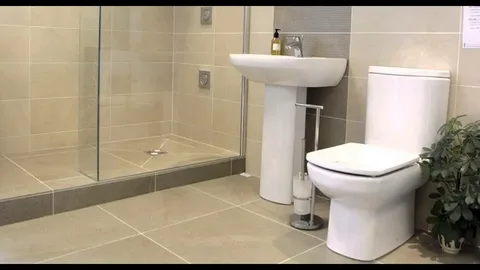
Bathroom floors typically benefit from larger tile dimensions because they create a more continuous surface. When fewer grout joints are visible, the eye interprets the floor as a larger uninterrupted area.
Rectangular tiles installed in a consistent pattern often work particularly well in compact bathrooms. They help guide visual movement across the room and contribute to a more expansive appearance.
The tile finish is equally important. Matte finishes provide excellent slip resistance, while polished surfaces reflect additional light that can make smaller bathrooms feel brighter.
Bathroom Tile Layout Ideas That Maximize Space
Even the perfect tile size can lose its impact if the layout is poorly planned. Strategic installation patterns can help enhance room proportions and improve overall aesthetics.
Running Bond Pattern
This classic layout staggers tile joints and introduces visual movement without overwhelming the room. It works especially well with rectangular tiles.
Vertical Installation
Installing rectangular wall tiles vertically can emphasize ceiling height and make bathrooms feel taller.
Horizontal Installation
Horizontal layouts visually stretch narrow bathrooms and create a wider appearance.
Continuous Wall and Floor Design
Using similar tile styles on both walls and floors creates a unified design that reduces visual boundaries and promotes a more open atmosphere.
These bathroom tile layout ideas are commonly used by professional designers to improve the appearance of compact spaces.
Tile Design Tips for a More Spacious Bathroom
Selecting the right tile size is only one part of creating a successful bathroom design. Additional details also contribute to the overall effect.
Use Light and Neutral Colors
Soft whites, warm grays, beige tones, and light earth colors reflect more light and make bathrooms feel larger.
Coordinate Tile and Grout Colors
When grout closely matches tile color, the surface appears more continuous and less fragmented.
Avoid Excessive Pattern Mixing
Too many competing designs can make a small bathroom feel cluttered. Simplicity often produces the strongest visual impact.
Prioritize Natural and Artificial Lighting
Well-lit spaces feel more open regardless of size. Reflective tile surfaces can help distribute light throughout the room. These practical tile design tips can significantly improve both functionality and aesthetics.
Common Tile Selection Mistakes Homeowners Make
Many homeowners unintentionally choose materials that make small bathrooms feel even smaller.
Selecting Extremely Small Tiles Everywhere
Although mosaics have their place, covering entire walls and floors with tiny tiles can create excessive visual complexity.
Ignoring Room Shape
The tile layout should complement the bathroom’s dimensions rather than fight against them.
Choosing Dark Materials Exclusively
Dark finishes can create a dramatic look but may absorb light and reduce the sense of openness.
Focusing Only on Trends
Design trends change regularly, but practical tile choices often provide greater long-term satisfaction and value. Avoiding these mistakes helps create a bathroom that remains attractive and functional for years.
Why Professional Planning Matters During Bathroom Renovation
Successful bathroom design requires more than selecting attractive materials. Every detail, from waterproofing and layout planning to fixture placement and finishing work, contributes to the final result.
Many California homeowners combine bathroom improvements with larger property upgrades such as Home renovations, Kitchen renovators, Bathroom remodeling, Flooring Installation, Ceramic Tile Installation, Marble Tile Installation, Laminate Flooring, Luxury Vinyl Plank (LVP) Flooring, Countertops, Patio Covers, Outdoor Barbeques, Decks, Fireplaces, Drywall & Painting, Electrical Services, and Plumbing Services. Coordinating these improvements can create a more cohesive and valuable home environment.
Choosing the Right Remodeling Partner in California, CA
Whether you’re updating a guest bathroom or transforming a master suite, working with experienced professionals can help you avoid costly mistakes and achieve better long-term results. From selecting the ideal tile dimensions to implementing creative bathroom tile layout ideas, expert guidance ensures every element works together effectively. Homeowners seeking quality craftsmanship and personalized renovation solutions often turn to jay rock tile for dependable service and detailed attention throughout the remodeling process.
Final Thoughts
Choosing the best tile size for small bathroom projects involves much more than selecting a style that looks attractive in a showroom. Tile dimensions, layout patterns, color choices, lighting, and installation quality all contribute to how spacious a bathroom ultimately feels. By applying smart tile design tips and thoughtful planning, homeowners throughout California, CA can transform compact bathrooms into inviting spaces that feel larger, brighter, and more functional. The right tile strategy not only improves daily comfort but can also enhance the long-term value of your home.
Frequently Asked Questions
1. What is considered the best tile size for small bathroom floors?
Many designers recommend larger tiles because they reduce grout lines and create a more open visual appearance.
2. Can large tiles really make a small bathroom look bigger?
Yes. Larger tiles create fewer visual interruptions, helping the room appear more spacious and cohesive.
3. What tile color works best in a small bathroom?
Light-colored tiles generally reflect more light and help create an airy, open feeling.
4. Which bathroom tile layout ideas are best for narrow bathrooms?
Horizontal layouts and continuous floor patterns are often effective for making narrow bathrooms feel wider.
5. Should wall tiles and floor tiles match in a small bathroom?
Using complementary or matching tiles can create a seamless appearance that helps maximize the perception of space.