
Homeowners spend weeks picking out the perfect plank, tile, or carpet color, then hand the actual installation over to whoever’s available or cheapest and that’s exactly where a lot of flooring projects go wrong. Professional flooring installation services protect that investment in ways that aren’t obvious until something goes wrong with a rushed or DIY job: uneven seams, squeaky subfloors, or tile that cracks within a year. This guide walks through what a qualified flooring contractor actually brings to the table and why it matters more than most homeowners realize going in.
Flooring touches nearly every room in a house, which means mistakes made during installation don’t stay contained to one small area they show up every time you walk through the space for years afterward.
The Real Cost of a Rushed Installation
Flooring looks simple from the outside: lay it down, secure it, done. In practice, a proper installation involves subfloor assessment, moisture testing, precise measurements, and material-specific techniques that vary significantly between wood, tile, and vinyl. Skipping any of these steps rarely shows up immediately it shows up six months to two years later as gaps, buckling, or cracked grout lines.
Repairing a poorly installed floor almost always costs more than doing it right the first time. Pulling up flawed material, addressing whatever subfloor issue caused the problem, and reinstalling means paying for labor twice on the same project a frustrating and entirely avoidable expense.
What a Professional Flooring Contractor Actually Does Differently
A qualified flooring contractor starts with an assessment most homeowners never think to do themselves: checking subfloor levelness, testing for moisture, and identifying any structural issues that need addressing before new material goes down. Skipping this step is one of the most common reasons DIY and low-budget installations fail early.
Material-specific expertise matters just as much. Tile flooring installation, for example, requires precise spacing, proper adhesive selection, and correct curing time details that determine whether tiles stay firmly set or start cracking and shifting within the first year. Wood and vinyl flooring each come with their own acclimation and expansion requirements that an experienced installer accounts for automatically.
Warranty protection is another factor easy to overlook. Many flooring manufacturers require professional installation to keep product warranties valid, meaning a DIY or unlicensed installation can void coverage entirely if something goes wrong with the material itself down the road.
Residential Flooring: Getting Every Room Right
Residential flooring decisions vary significantly from room to room, and a professional installer accounts for those differences rather than applying one approach everywhere. Bedrooms and living rooms prioritize comfort and appearance, while kitchens and bathrooms demand moisture resistance and durability given constant exposure to spills and humidity.
Getting these room-specific requirements wrong leads to problems that surface quickly. Installing the wrong underlayment in a bathroom, for instance, can trap moisture beneath the surface and lead to mold growth within the subfloor a problem that often isn’t discovered until the flooring itself starts to fail.
A contractor experienced across multiple flooring types brings that room-by-room judgment to the table, recommending materials and installation methods suited to how each specific space actually gets used rather than a one-size-fits-all approach.
Tile Flooring Installation: Where Precision Really Shows
Tile flooring installation demonstrates the skill gap between professional and amateur work more clearly than almost any other flooring type. Uneven tile spacing, inconsistent grout lines, and lippage where tile edges sit at slightly different heights are cosmetic issues that become impossible to ignore once the installation is complete.
Proper substrate preparation matters enormously here too. Tile is unforgiving of subfloor movement, and installing it over an improperly prepared surface leads to cracked tiles and failed grout lines within a year or two, even if the tile itself was high quality. This is one area where the labor and expertise genuinely justify the cost difference between professional and DIY installation.
How Flooring Fits Into a Larger Renovation
Flooring rarely happens as a standalone project. Most homeowners tackle it as part of a broader home renovation, often alongside kitchen or bathroom updates where new flooring needs to coordinate with cabinetry, fixtures, and overall layout changes happening at the same time.
A kitchen renovation, for example, typically involves removing old flooring to accommodate new cabinet placement or appliance footprints, which means flooring installation needs to be sequenced correctly with the rest of the project rather than treated as an afterthought. The same logic applies to bathroom remodeling, where flooring, plumbing, and fixture placement all need to work together seamlessly.
Working with a contractor who understands how flooring integrates into these larger projects rather than someone who only handles flooring in isolation helps avoid the scheduling conflicts and rework that come from treating each trade as a completely separate job.
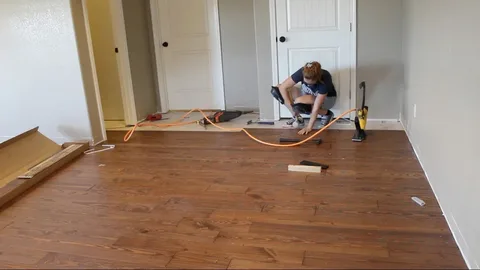
Long-Term Value: Why Professional Installation Pays for Itself
A well-installed floor simply lasts longer. Materials that are properly acclimated, correctly secured, and installed over a properly prepared subfloor resist the everyday wear of foot traffic, furniture movement, and seasonal humidity changes far better than a rushed installation ever will.
This durability translates directly into home value. Buyers and inspectors alike notice flooring quality quickly uneven surfaces, visible seams, or squeaking underfoot are red flags during a home sale, while flooring that’s clearly been installed correctly signals a well-maintained home throughout.
Energy efficiency benefits from proper installation too, particularly with materials that require precise underlayment and sealing. A correctly installed floor helps maintain consistent indoor temperatures by minimizing gaps and drafts that poorly fitted flooring can introduce at the edges of a room.
Choosing the Right Flooring Installation Services for Your Project
Not every flooring contractor specializes in every material, which makes it worth confirming experience with your specific flooring type before committing to a quote. A contractor skilled in hardwood installation isn’t automatically equally skilled at tile flooring installation, since the techniques, tools, and common failure points differ substantially between materials.
Ask about warranty coverage, both on materials and on the installer’s own workmanship. A contractor confident in their work typically offers a labor warranty separate from the manufacturer’s material warranty, giving you added protection if something doesn’t hold up as expected.
Getting a detailed, itemized estimate also matters. A quote that breaks down labor, materials, subfloor prep, and disposal separately makes it much easier to compare bids accurately and understand exactly what you’re paying for at each stage of the project.
Making an Informed Decision for Your Home
Flooring is one of the most heavily used surfaces in any home, which makes the quality of its installation just as important as the material itself. Professional flooring installation services address the details subfloor prep, material-specific technique, and proper sequencing within a larger renovation that determine whether a floor lasts for decades or starts showing problems within a year or two.
Whether your project is a single room refresh or part of a full home renovation involving kitchen and bathroom remodeling, working with an experienced flooring contractor ensures the installation is done right the first time, protecting both your investment and the finished look of your home for years to come.
Frequently Asked Questions
What are the benefits of hiring professional flooring installation services instead of doing it myself? Professional installation ensures proper subfloor preparation, correct material-specific techniques, and warranty protection all of which reduce the risk of gaps, cracking, or premature wear that often affects DIY installations.
How do I choose the right flooring contractor for my home?
Look for a contractor with experience in your specific flooring type, ask about labor warranties separate from material warranties, and request an itemized quote that breaks down labor, materials, and subfloor prep.
Is tile flooring installation harder than installing wood or vinyl flooring?
Tile flooring installation generally requires more precision, since uneven spacing, improper substrate prep, or incorrect grout application can lead to cracked tiles and failed grout lines within a year or two.
Should flooring be installed before or after a kitchen or bathroom renovation?
Flooring is usually best coordinated with the rest of a kitchen or bathroom renovation, since cabinetry, fixtures, and layout changes often need to be sequenced with flooring installation to avoid rework.
Does professional flooring installation actually increase home value?
Yes, well-installed residential flooring is often noticed by buyers and inspectors during a home sale, while uneven surfaces or visible installation flaws can raise concerns about a home’s overall upkeep.