
Tile installation is one of the most effective ways to improve the appearance, durability, and value of a home. Whether you are upgrading a bathroom, remodeling a kitchen, or installing new flooring throughout your property, properly installed tile can provide long-lasting performance and aesthetic appeal. However, many homeowners make critical mistakes during the tile installation process that can lead to costly repairs, uneven surfaces, cracked tiles, and premature failure.
Understanding these common mistakes before starting a project can help homeowners achieve better results and protect their investment. Professional planning and attention to detail play a major role in ensuring a successful tile installation project.
Failing to Plan the Layout Properly
One of the most common mistakes homeowners make is skipping the layout planning stage. Many people are eager to begin installing tiles immediately without carefully measuring the space or determining the best tile pattern. This often results in awkward tile cuts, uneven spacing, and an unbalanced appearance.
A well-planned layout ensures that tiles are evenly distributed across the room and that cut tiles are placed in less noticeable areas. Taking time to measure accurately and mark reference lines before installation helps create a professional-looking finish and reduces material waste.
Choosing the Wrong Type of Tile
Not all tiles are designed for every application. Homeowners sometimes select tiles based solely on appearance without considering durability, moisture resistance, or slip resistance. This mistake can significantly affect the longevity and performance of the installation.
For example, tiles suitable for walls may not be appropriate for flooring due to lower strength ratings. Similarly, some tile materials perform better in wet environments like bathrooms and showers. Selecting the correct tile for the intended space is essential for achieving lasting results.
Ignoring Subfloor Preparation
A strong and stable foundation is critical for successful tile installation. Unfortunately, many homeowners overlook the importance of preparing the subfloor properly. Installing tiles over uneven, damaged, or dirty surfaces can lead to cracked tiles, loose grout, and shifting over time.
Before beginning any tile flooring installation project, the subfloor should be inspected for structural integrity, moisture issues, and levelness. Proper preparation ensures that the tiles adhere correctly and remain stable for years to come.
Using the Wrong Adhesive
Tile adhesives are designed for specific tile materials and installation environments. Using the wrong adhesive can cause tiles to loosen, shift, or fail prematurely. Some homeowners purchase generic products without understanding the requirements of their particular project.
Professional tile contractors carefully select adhesives based on factors such as tile size, substrate material, and moisture exposure. Choosing the right adhesive improves bond strength and helps prevent future installation problems.
Rushing the Installation Process
Many installation issues occur because homeowners try to complete the project too quickly. Tile installation requires patience and precision at every stage, from measuring and cutting to setting and grouting. Rushing can result in uneven spacing, misaligned tiles, and poor overall workmanship.
Allowing adequate time for adhesive curing and grout drying is equally important. Following manufacturer recommendations helps ensure that the installation develops the necessary strength and durability.
Neglecting Proper Tile Spacing
Consistent tile spacing creates a clean, professional appearance and allows room for grout joints. Some homeowners attempt to install tiles without spacers, believing they can maintain equal gaps manually. This often leads to inconsistent lines and an unattractive finish.
Tile spacers help maintain uniform spacing throughout the project. They also improve structural performance by accommodating slight movement and expansion within the installation.
Forgetting Expansion Joints
Tiles naturally expand and contract due to temperature and humidity changes. Without proper expansion joints, pressure can build within the tiled surface, causing cracks, tenting, or tile failure.
Expansion joints are particularly important in large floor areas, outdoor installations, and spaces exposed to significant temperature fluctuations. Including these joints helps preserve the integrity of the tile system and prevents long-term damage.
Improper Tile Cutting Techniques
Accurate tile cutting is essential for achieving clean edges and a professional appearance. Homeowners who use incorrect tools or techniques often end up with chipped, uneven, or poorly fitted tiles.
Investing in quality tile-cutting equipment or working with a professional tile installation specialist can significantly improve the final result. Precision cuts are especially important around corners, fixtures, and transitions between rooms.
Applying Too Much or Too Little Grout
Grout plays an important role in supporting tiles and protecting against moisture intrusion. Using too much grout can create a messy appearance, while insufficient grout may leave gaps that allow water penetration and dirt accumulation.
Proper grout application ensures that joints are fully filled and evenly finished. Homeowners should carefully follow product instructions and clean excess grout before it hardens on the tile surface.
Overlooking Waterproofing Requirements
Bathrooms, showers, laundry rooms, and kitchens are frequently exposed to moisture. Failing to install appropriate waterproofing systems beneath the tiles can lead to water damage, mold growth, and expensive repairs.
Waterproof membranes and moisture barriers provide an additional layer of protection and help extend the life of the installation. Proper waterproofing is particularly important for bathroom tile installation projects.
Not Hiring Professionals When Necessary
While DIY projects can be rewarding, some tile installation jobs require specialized skills and experience. Complex layouts, large-format tiles, natural stone materials, and waterproof shower systems often present challenges that exceed the abilities of many homeowners.
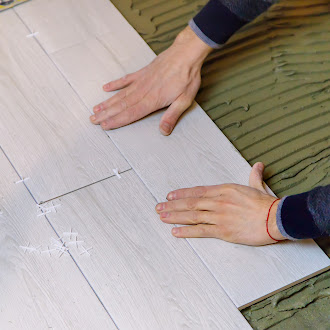
Hiring a professional tile contractor can help avoid costly mistakes and ensure that the project meets industry standards. Experienced installers understand proper techniques, material selection, and building requirements. lay tiles on the floor in the house. Selective focus. white.
Failing to Maintain Newly Installed Tiles
The installation process does not end once the tiles are in place. Proper maintenance is essential for preserving the appearance and performance of tiled surfaces. Many homeowners neglect sealing grout lines, cleaning surfaces correctly, or addressing minor issues before they worsen.
Routine maintenance helps protect the investment and extends the lifespan of ceramic tile installation and porcelain tile installation projects. Regular inspections can also identify potential problems before significant damage occurs.
Conclusion
Tile installation can dramatically enhance the beauty, functionality, and value of a home when completed correctly. However, mistakes such as poor planning, inadequate surface preparation, improper spacing, and neglecting waterproofing can lead to costly problems down the road. By understanding these common pitfalls and following proven installation practices, homeowners can achieve a durable and visually appealing result.
Whether planning a bathroom tile installation, kitchen tile installation, or complete floor tile installation project, careful preparation and attention to detail are the keys to long-term success. When in doubt, consulting an experienced professional can help ensure that the finished project meets expectations and stands the test of time.
Frequently Asked Questions
1. How long does a tile installation project usually take?
Most residential tile installation projects take between 2 and 7 days, depending on the size and complexity of the area.
2. What is the most common tile installation mistake?
Poor subfloor preparation is one of the most common mistakes and often leads to cracked or loose tiles.
3. Do tiles need expansion joints?
Yes, expansion joints help prevent cracking and damage caused by temperature and moisture changes.
4. Can I install tiles over existing flooring?
In some cases, yes, but the existing surface must be stable, level, and suitable for tile adhesion.
5. Is professional tile installation worth the cost?
Professional tile installation helps ensure proper workmanship, durability, and long-term performance, reducing the risk of costly repairs later.